A message to García, un ensayo motivador, "famoso", que trata sobre las personas comedidas, que no hacen preguntas estúpidas cuando se les encomienda algo, solo lo hacen porque es su deber, porque se lo pidieron, aunque no se beneficie directamente, por tener la satisfacción del trabajo bien hecho, personas que por eso triunfan.
La pobreza, de por sí, no reviste excelencia alguna ni el vestir harapos es una recomendación y todos los patrones no son tiranos en mayor medida que todos los pobres son virtuosos.
Hace poco Dave contó que en EAU los estudiantes decían "In Shala" (Si dios quiere) como excusa para no hacer sus deberes, el les decía no "In Shala" Just do your homework its your responsibility.
Últimamente y en base a la vida de Steve Jobs y otras personas que yo considero genios, he estado pensando mucho que la gente brillante, ademas de ser tesos, son imanes para unirse con la gente necesaria para hacer sus cosas, atraen gente capaz e igual de brillante.
Cada vez creo mas en algo que me dijo un compañero "que para ser destacado en algo importaba mas la practica que lo heredado, con 10.000 horas de practica uno se vuelve un "genio" en eso, y ponen ejemplos de Mozart, Beethoven", probablemente una base de herencia sirva, pero el entorno en el que nos movamos y la gente con la que nos rodeamos son mas importantes para mi.
Otra conocida tiene una teoría, que la gente brillante tuvo que tener una infancia problemática. Yo no lo había pensado pero lo voy a pensar próximamente.
Monday, October 11, 2010

7. Micmacs a tire-larigot.
7. Micmacs a tire-larigot.
Yo siempre he pensado que uno puede hacer algo bueno o malo con cualquier idea sea buena o mala, todo dependerá de la forma en que la desarrolle y la trate. Esta película para mi es de un tema que no es mi favorito pero que es desarrollada de una buena manera y termina en un buen resultado. La película es una de esas películas raras que son tan representativas del director. Es rara porque no necesita explicar muchas cosas, solo explica lo que desea y lo otro que se lo imaginen. Es rara porque es una película que en los primeros 20 minutos todavía no sabes hacia donde va, razón por la cual cualquier cosa puede suceder y sorprender. La película es llena de contrastes; cosas viejas y nuevas, cosas limpias y desordenadas, escenas oscuras y brillantes, diálogos claros e inconclusos. Me encanto las auto referencias (vallas mostrando la escena de la película), los letreros con el nombre Micmacs a tire-larigot, la foto del presidente de Francia. La película es una sátira inteligente, la critica a los gobiernos inmiscuidos en el trafico de armas es buena. La farsa del secuestro es excelente la capacidad de invención y la manera en que se divertían me gusto mucho. Queda pendiente ver mas películas de Jean-Pierre Jeunet.

Yo siempre he pensado que uno puede hacer algo bueno o malo con cualquier idea sea buena o mala, todo dependerá de la forma en que la desarrolle y la trate. Esta película para mi es de un tema que no es mi favorito pero que es desarrollada de una buena manera y termina en un buen resultado. La película es una de esas películas raras que son tan representativas del director. Es rara porque no necesita explicar muchas cosas, solo explica lo que desea y lo otro que se lo imaginen. Es rara porque es una película que en los primeros 20 minutos todavía no sabes hacia donde va, razón por la cual cualquier cosa puede suceder y sorprender. La película es llena de contrastes; cosas viejas y nuevas, cosas limpias y desordenadas, escenas oscuras y brillantes, diálogos claros e inconclusos. Me encanto las auto referencias (vallas mostrando la escena de la película), los letreros con el nombre Micmacs a tire-larigot, la foto del presidente de Francia. La película es una sátira inteligente, la critica a los gobiernos inmiscuidos en el trafico de armas es buena. La farsa del secuestro es excelente la capacidad de invención y la manera en que se divertían me gusto mucho. Queda pendiente ver mas películas de Jean-Pierre Jeunet.
Thursday, October 7, 2010
6. Wall Street: Money Never Sleeps.
6. Wall Street: Money Never Sleeps.
The movie gave me many different contrasts. The performances weren't great, and Shia LaBeouf gets far behind the rest of the cast. The movie fluctuated between interesting but spare moments of entertainment but then it fell to an unconnected scene trying to explain previous decisions. The movie tries to make an honest critic to this kind of life and its dangers, but the plot is not regular and the message doesn't gets through. The dialogues pretend to be interesting and the characters seem to understand but the viewer finish with holes that end without explanation. The conversations tried to be dynamic and interesting buy they were just dizzying. The pictures of NYC are just to conventional and do not add anything interesting to the movie. The movie is self-financed (Heinenken, Ducati, Jhonny Walker...), and filled with cliche words and graphic references to other things (the bubble, Warren Buffet, clean energy, the rings...). I liked some of the concepts of the movie but not the way they were developed. I really liked the music.
"..speculation is the mother of all evil"
"It's not about the money - It's about the game." "...money is not the prime asset in life. Time is."

The movie gave me many different contrasts. The performances weren't great, and Shia LaBeouf gets far behind the rest of the cast. The movie fluctuated between interesting but spare moments of entertainment but then it fell to an unconnected scene trying to explain previous decisions. The movie tries to make an honest critic to this kind of life and its dangers, but the plot is not regular and the message doesn't gets through. The dialogues pretend to be interesting and the characters seem to understand but the viewer finish with holes that end without explanation. The conversations tried to be dynamic and interesting buy they were just dizzying. The pictures of NYC are just to conventional and do not add anything interesting to the movie. The movie is self-financed (Heinenken, Ducati, Jhonny Walker...), and filled with cliche words and graphic references to other things (the bubble, Warren Buffet, clean energy, the rings...). I liked some of the concepts of the movie but not the way they were developed. I really liked the music.
"..speculation is the mother of all evil"
"It's not about the money - It's about the game." "...money is not the prime asset in life. Time is."
Sunday, September 26, 2010
10. Un mundo feliz.
10. Un mundo feliz. Aldous Huxley. 253 paginas. Septiembre 2010.
Un mundo feliz, donde toman la felicidad en pastillas (soma), donde obtienen placer de una goma de mascar con hormona sexual, donde como en el mundo de Siddharta no hay vejez, enfermedad, ni muerte. Un mundo lleno de comodidad y sin inconvenientes, sin poesía ni literatura, sin riesgo, sin libertad, sin pecados ni bondad. Donde les aterra la soledad, donde tienen que estar drogados para escapar de si mismos, donde todo esta predestinado desde la concepción artificial, donde todos están aconductados para no hacer mas que lo que están programados para hacer, donde los innovadores que piensan mas son desterrados a islas para que no desestabilicen el orden de las cosas.
El libro tiene muchos aspectos psicológicos interesantes, entra en la clasificación de distopias futuristicas que he estado muy aficionado a ellas y ademas curiosamente son obsesionados por Shakespeare y lo citan mas de 30 veces en todo el libro.
"...¿He puesto a este o no su inyección de enfermedad del sueño?. No pudo acordarse. (Veintidós años, ocho meses y cuatro días después de este suceso, un prometedor alfa-menos, administrador, moría de tripanosomiasis primer caso en mas de medio siglo).
"La enfermedad del sueño, sobre todo, resultante, como se habia descubierto hacia pocos años (1902), de la mosca tse-tse, atacaba la sangre y el cerebro, producía en sus victimas una parálisis de los miembros y una letargia de las que nunca saldrían" El Sueño del Celta. Pagina 82.

Un mundo feliz, donde toman la felicidad en pastillas (soma), donde obtienen placer de una goma de mascar con hormona sexual, donde como en el mundo de Siddharta no hay vejez, enfermedad, ni muerte. Un mundo lleno de comodidad y sin inconvenientes, sin poesía ni literatura, sin riesgo, sin libertad, sin pecados ni bondad. Donde les aterra la soledad, donde tienen que estar drogados para escapar de si mismos, donde todo esta predestinado desde la concepción artificial, donde todos están aconductados para no hacer mas que lo que están programados para hacer, donde los innovadores que piensan mas son desterrados a islas para que no desestabilicen el orden de las cosas.
El libro tiene muchos aspectos psicológicos interesantes, entra en la clasificación de distopias futuristicas que he estado muy aficionado a ellas y ademas curiosamente son obsesionados por Shakespeare y lo citan mas de 30 veces en todo el libro.
"...¿He puesto a este o no su inyección de enfermedad del sueño?. No pudo acordarse. (Veintidós años, ocho meses y cuatro días después de este suceso, un prometedor alfa-menos, administrador, moría de tripanosomiasis primer caso en mas de medio siglo).
"La enfermedad del sueño, sobre todo, resultante, como se habia descubierto hacia pocos años (1902), de la mosca tse-tse, atacaba la sangre y el cerebro, producía en sus victimas una parálisis de los miembros y una letargia de las que nunca saldrían" El Sueño del Celta. Pagina 82.

Friday, September 24, 2010
9. El mundo que respiro.
9. El mundo que respiro. Mario Benedetti. 158 paginas. Septiembre 2010.
No me siento en capacidad de escribir de un libro de poesía. Así que escribo un poema que me gusto y que en mi interpretación muy literal, habla sobre la estupidez del odio.
ODIOS
Ya no nos queda tiempo para el odio
ni para la tirria o el desdén
los odiantes se roen a si mismos
y mueren de metástasis de odios
es natural que los odiantes
se transformen a veces en odiosos
sin embargo no es aconsejable
odiar a los odiosos ex odiantes
ya que aquel pobre que desciende a odiar
nunca saldrá del pozo de los odios
No me siento en capacidad de escribir de un libro de poesía. Así que escribo un poema que me gusto y que en mi interpretación muy literal, habla sobre la estupidez del odio.
ODIOS
Ya no nos queda tiempo para el odio
ni para la tirria o el desdén
los odiantes se roen a si mismos
y mueren de metástasis de odios
es natural que los odiantes
se transformen a veces en odiosos
sin embargo no es aconsejable
odiar a los odiosos ex odiantes
ya que aquel pobre que desciende a odiar
nunca saldrá del pozo de los odios
Wednesday, September 22, 2010
An absurd view of marriage
Yesterday I went to the best class at tinto tintero I have ever been. The topic was The Outsider.
Among many things I liked, and felt myself represented I specially liked the excerpt from the novel "The Stranger" by Albert Camus, its taken from chapter V of the first part. It is the description of the proposal of marriage made by Marie Cardona to Meursault and his strange response.
"...Marie came that evening and asked me if I’d marry her. I said I didn’t mind; if she was keen on it, we’d get married. Then she asked me again if I loved her. I replied, much as before, that her question meant nothing or next to nothing—but I supposed I didn’t.
“If that’s how you feel,” she said, “why marry me?”
I explained that it had no importance really, but, if it would give her pleasure, we could get married right away. I pointed out that, anyhow, the suggestion came from her; as for me, I’d merely said, “Yes.”
Then she remarked that marriage was a serious matter. To which I answered: “No.”
She kept silent after that, staring at me in a curious way. Then she asked:
“Suppose another girl had asked you to marry her—I mean, a girl you liked in the same way as you like me—would you have said ‘Yes’ to her, too?” “Naturally.”
Then she said she wondered if she really loved me or not. I, of course, couldn’t enlighten her as to that. And, after another silence, she murmured something about my being “a queer fellow.” “And I daresay that’s why I love you,” she added. “But maybe that’s why one day I’ll come to hate you.”
To which I had nothing to say, so I said nothing.
She thought for a bit, then started smiling and, taking my arm, repeated that she was in earnest; she really wanted to marry me. “All right,” I answered. “We’ll get married whenever you like.”
What was really interesting is what David said, that in his opinion women liked to feel the most important person in the world and that men are more easy going about the very important things and did’nt need that kind of approval. There were many interesting opinions mainly from the women. One of them said "We do not like feeling the most important thing in the world we NEED to feel the most important thing in the world".
Among many things I liked, and felt myself represented I specially liked the excerpt from the novel "The Stranger" by Albert Camus, its taken from chapter V of the first part. It is the description of the proposal of marriage made by Marie Cardona to Meursault and his strange response.
"...Marie came that evening and asked me if I’d marry her. I said I didn’t mind; if she was keen on it, we’d get married. Then she asked me again if I loved her. I replied, much as before, that her question meant nothing or next to nothing—but I supposed I didn’t.
“If that’s how you feel,” she said, “why marry me?”
I explained that it had no importance really, but, if it would give her pleasure, we could get married right away. I pointed out that, anyhow, the suggestion came from her; as for me, I’d merely said, “Yes.”
Then she remarked that marriage was a serious matter. To which I answered: “No.”
She kept silent after that, staring at me in a curious way. Then she asked:
“Suppose another girl had asked you to marry her—I mean, a girl you liked in the same way as you like me—would you have said ‘Yes’ to her, too?” “Naturally.”
Then she said she wondered if she really loved me or not. I, of course, couldn’t enlighten her as to that. And, after another silence, she murmured something about my being “a queer fellow.” “And I daresay that’s why I love you,” she added. “But maybe that’s why one day I’ll come to hate you.”
To which I had nothing to say, so I said nothing.
She thought for a bit, then started smiling and, taking my arm, repeated that she was in earnest; she really wanted to marry me. “All right,” I answered. “We’ll get married whenever you like.”
What was really interesting is what David said, that in his opinion women liked to feel the most important person in the world and that men are more easy going about the very important things and did’nt need that kind of approval. There were many interesting opinions mainly from the women. One of them said "We do not like feeling the most important thing in the world we NEED to feel the most important thing in the world".
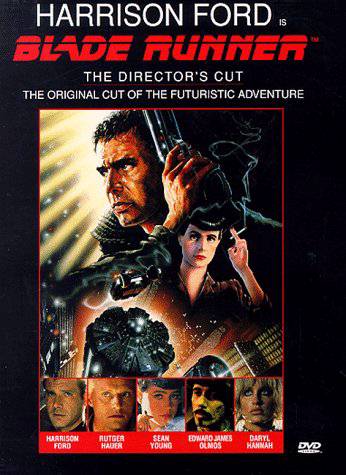
5. Blade Runner
5. Blade Runner.
I watched the movie for two reasons; its about a topic that has been obsessing me lately the futuristic dystopias (Stranger in strange land, 1984, A brave new world), and because is from a great director that unknowingly created a cult movie.
The filming, the effects, the landscapes and many other things looked weird, but I won’t take it in account since the movie is from 1982.
The story line is conducted in a way I didn’t make much logic to me.
The thing I liked most are the ideas about humanity given in the movie. Why are humans superior?. How a replicant (robot humanoid) believes she is human?. The inability of the replicants to show emotions. The uncertainty of the nature of the main character?. The intelligence of the creator and the game of chess. The god-like powers that the corporation has over society. The final redemption of the villain at the end. The significance of the origami figures through the movie.

I watched the movie for two reasons; its about a topic that has been obsessing me lately the futuristic dystopias (Stranger in strange land, 1984, A brave new world), and because is from a great director that unknowingly created a cult movie.
The filming, the effects, the landscapes and many other things looked weird, but I won’t take it in account since the movie is from 1982.
The story line is conducted in a way I didn’t make much logic to me.
The thing I liked most are the ideas about humanity given in the movie. Why are humans superior?. How a replicant (robot humanoid) believes she is human?. The inability of the replicants to show emotions. The uncertainty of the nature of the main character?. The intelligence of the creator and the game of chess. The god-like powers that the corporation has over society. The final redemption of the villain at the end. The significance of the origami figures through the movie.
Thursday, September 9, 2010
Doubt thou, the stars are fire
"Doubt thou, the stars are fire;
Doubt that the sun doth move;
Doubt truth to be a liar;
But never doubt I love."
William Shakespeare. From Hamlet Act 2 scene 2.
Doubt that the sun doth move;
Doubt truth to be a liar;
But never doubt I love."
William Shakespeare. From Hamlet Act 2 scene 2.
Why I always feel happy?
I always feel happy, you know why? Because I dont expect anything from anyone; expectations always hurt. Life is short. So love your life. Be happy. And keep smiling. Just live for yourself and always remeber: Before you speak, listen. Before you write, think. Before you spend, earn. Before you hate, love. Before you quit, try. Before you die, live.
Supuestamente es de Shakespeare pero no creo ni lo pude confirmar.
Supuestamente es de Shakespeare pero no creo ni lo pude confirmar.
4. How to train your dragon
4. How to train your dragon.
The thing that I liked the most about the movie is an idea that has been around my mind for a while. That maybe the things we believe are wrong, and that we are looking at them from a misplaced point of view. We accustomed ourselves to see that the things are right because they work and that thought keeps us from creating better things.
The story line is predictable and filled with stereotypes, but the way of telling the story is what makes the movie interesting. The movie has a perfect pace, where nothing happens to fast or gets to slow.
In general I liked the movie mainly because is fun and easy to enjoy.

The thing that I liked the most about the movie is an idea that has been around my mind for a while. That maybe the things we believe are wrong, and that we are looking at them from a misplaced point of view. We accustomed ourselves to see that the things are right because they work and that thought keeps us from creating better things.
The story line is predictable and filled with stereotypes, but the way of telling the story is what makes the movie interesting. The movie has a perfect pace, where nothing happens to fast or gets to slow.
In general I liked the movie mainly because is fun and easy to enjoy.

Subscribe to:
Posts (Atom)